
The UK’s net-zero success hinges less on policy targets and more on applying fundamental thermodynamic laws at the point of use.
- The ‘quality’ of heat and system flow temperatures are more critical indicators of performance than simple efficiency ratings.
- A “fabric-first” approach to buildings is a thermodynamic necessity to reduce heat demand *before* specifying technology, not just an energy-saving tip.
Recommendation: Focus on system-level optimisation—matching energy quality to the task—to achieve real, measurable carbon and cost savings in your next green energy project.
As the United Kingdom charts its course towards ambitious net-zero targets, the conversation is dominated by technology: heat pumps, solar panels, and advanced insulation. For engineering professionals and students, the focus is often on the specifications and installation of these individual components. We compare efficiency ratings, calculate payback periods, and debate the merits of one brand over another. This is the conventional approach, treating the green transition as a checklist of technological swaps.
However, this component-level view misses the fundamental, unifying science that governs whether these solutions succeed or fail in the real world. Many common strategies, from installing a high-tech heat pump in an unprepared building to mismanaging waste heat in a small factory, are doomed to underperform. They violate the unyielding laws of thermodynamics. The true key to unlocking the UK’s green energy potential isn’t just about adopting new technology, but about mastering the applied physics of heat, energy, and entropy in the unique context of Britain’s built environment.
This article moves beyond the headlines and product brochures. We will dissect the critical, often-overlooked thermodynamic principles that underpin genuine energy efficiency. We will explore why a heat pump’s performance is dictated by temperature differentials, how the wrong insulation can damage a Victorian home, and why storing solar energy in a hot water tank is often a smarter move, thermodynamically, than using a battery. This is a first-principles look at creating solutions that work not just on paper, but in practice.
This analysis delves into the core thermodynamic challenges and opportunities facing the UK. The following sections break down how these physical laws apply to the most common green energy scenarios, from residential heating to industrial processes.
Summary: The Physics Behind the UK’s Green Energy Transition
- How Heat Pumps Defy Standard Thermodynamics to Save Energy?
- The Insulation Mistake That Renders Thermodynamics Useless in Old Homes
- Gas Boilers vs Heat Pumps: Which Wins on Thermodynamic Efficiency?
- How to Use Waste Heat Recovery to Cut Factory Costs by 20%?
- When to Replace Your Heating System to Maximize Thermodynamic Gains?
- How to Flood-Proof a Victorian Terrace House for Under £2,000?
- When Does Solar ROI Beat Rising Grid Electricity Prices?
- How Small UK Businesses Can Reduce Carbon Footprints Under New Regulations?
How Heat Pumps Defy Standard Thermodynamics to Save Energy?
The magic of a heat pump isn’t that it creates heat, but that it moves it. This process is governed by the Carnot cycle, and its real-world efficiency is measured by the Coefficient of Performance (COP). A COP of 3 means for every 1 kWh of electricity consumed, 3 kWh of heat is delivered. However, this isn’t a static number. The efficiency is fundamentally tied to the temperature difference (ΔT) between the heat source (air, ground) and the heat sink (your radiators). The smaller the ΔT, the higher the COP.
This is where standard thinking often fails. Real-world monitoring data shows that typical UK winter conditions have a profound impact on performance. For instance, heat pumps can achieve a COP of 5 at an outdoor temperature of 8°C, which drops to 3 at 0°C. This sensitivity underscores the first critical thermodynamic principle for UK applications: system design must be optimised for lower flow temperatures to minimise ΔT, especially during the coldest periods. A heat pump forced to deliver 70°C water to old-style radiators will struggle, its COP plummeting as it works against a large temperature gradient. This is a classic case of a thermodynamic mismatch between the new technology and the existing system.
Achieving the high efficiencies promised by manufacturers is therefore less about the device itself and more about the holistic system design. As experts from Elite Renewables note, there’s a significant gap between potential and reality:
A best-practice system can hit COP 4.5, versus a typical UK average of around 3.0. Designing for lower flow temperatures is key to achieving higher efficiency and better comfort.
– Elite Renewables, Heat Pump Statistics 2026 (New Data)
This focus on low-temperature distribution (e.g., 45-55°C) is not just a preference; it’s a thermodynamic imperative for effective decarbonisation of heat in the UK.
The Insulation Mistake That Renders Thermodynamics Useless in Old Homes
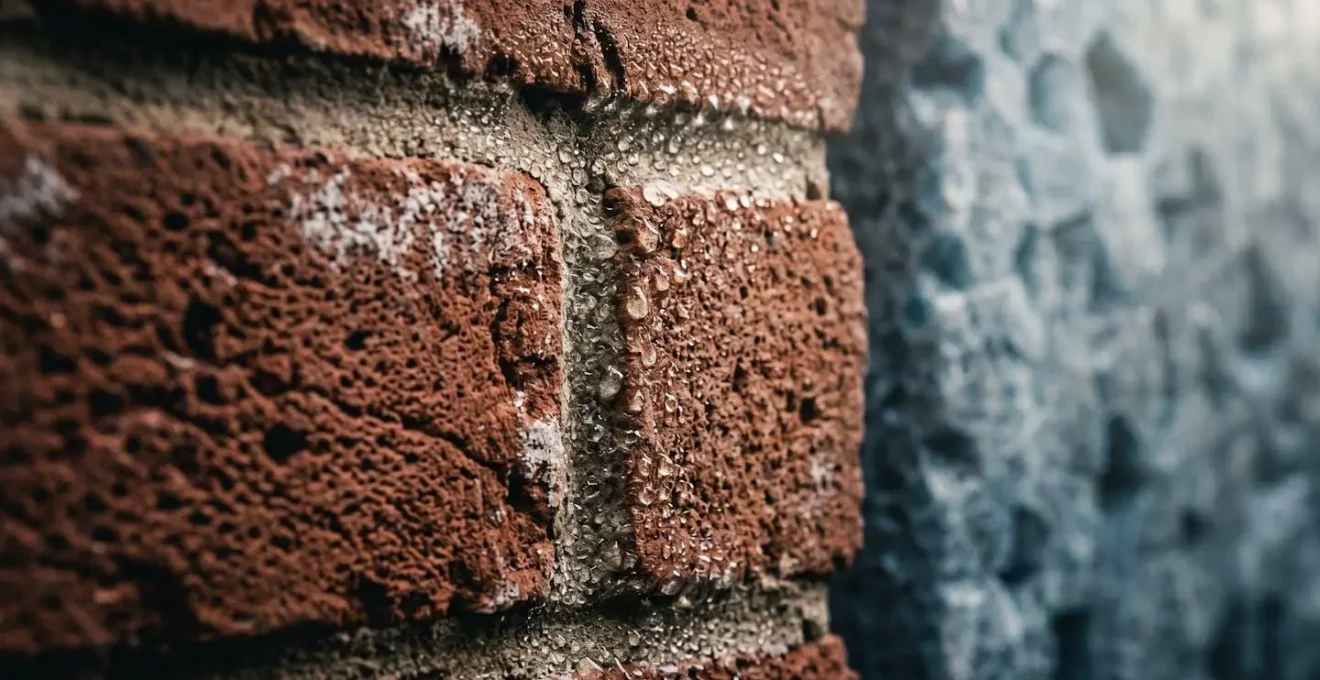
The “fabric-first” mantra is well-known: insulate before you generate. However, in the context of the UK’s vast stock of older, solid-wall properties, a naive approach to insulation can create more problems than it solves. These buildings, particularly Victorian-era homes, were designed as ‘breathing’ structures, managing moisture through vapour-permeable materials like lime mortar and plaster. Applying modern, non-breathable insulation internally can trap moisture within the wall, leading to a thermodynamic nightmare: interstitial condensation.
When warm, moist indoor air meets the cold inner surface of the insulation, it doesn’t condense. Instead, it passes through and finds the original, now much colder, brick wall. Here, the temperature drops below the dew point, and water vapour changes phase, releasing latent heat and saturating the brickwork. This not only causes damp and structural decay but also dramatically reduces the thermal resistance of the wall, negating the insulation’s purpose. Another key failure point is thermal bridging—areas of high thermal conductivity (like steel lintels or concrete sills) that bypass the insulation. Crucially, research shows thermal bridging can account for up to 30% of a building’s heat loss, a detail often missed in standard energy assessments.
As the detailed cross-section above illustrates, the interface between old materials and new is a critical zone. The correct approach for period properties requires a deep understanding of vapour pressure, material science, and heat flow. It often involves using breathable insulation materials (like wood fibre or cork) that work *with* the building’s original thermodynamic design, rather than fighting against it. Simply sealing an old house like a modern one ignores its fundamental physics and leads to system failure.
Gas Boilers vs Heat Pumps: Which Wins on Thermodynamic Efficiency?
On the surface, comparing a gas boiler to a heat pump seems straightforward, but it reveals the most common misunderstanding in energy efficiency: the difference between First and Second Law thermodynamics. A modern condensing gas boiler can claim a First-Law efficiency of over 90%. This means over 90% of the fuel’s chemical energy is converted into heat. It sounds impressive, but it’s a thermodynamic trap.
This high-grade energy, from combustion at over 1000°C, is being used for a low-grade task: producing hot water at 70°C. This is a profound thermodynamic mismatch, like using a surgeon’s scalpel to chop wood. Second-Law efficiency (or exergy) evaluates how well the quality of the energy source is matched to the quality of the energy need. From this perspective, a gas boiler is incredibly wasteful.
A heat pump, by contrast, is a master of Second-Law efficiency. It uses a small amount of high-grade electricity to ‘pump’ a large amount of low-grade ambient heat up to a useful temperature. It excels at matching the energy type to the task. The market, however, has been slow to adapt to this thermodynamic reality. Despite their clear advantages, analysis shows the UK still sells 15 gas boilers for every heat pump.
This following table, based on recent industry analysis, starkly illustrates the difference in performance metrics between these technologies, moving beyond simple percentages to reveal the true thermodynamic picture.
| Metric | Gas Condensing Boiler | Air Source Heat Pump | Ground Source Heat Pump |
|---|---|---|---|
| First-Law Efficiency (Common) | ~82.5% to 90% | 265% (COP 2.65) | 324% (COP 3.24) |
| Typical Flow Temperature | 70°C (thermodynamically indifferent) | 45-55°C (efficiency sensitive) | 45-50°C (stable efficiency) |
| Performance in UK Winter (0°C) | ~85% (constant) | COP 3.0 (300%) | COP 3.5-4.0 (stable) |
| Carbon Efficiency (2024 UK Grid) | Baseline | 80% more carbon-efficient | Up to 85% more carbon-efficient |
The table confirms that while a gas boiler’s efficiency is static, a heat pump’s efficiency is dynamic and far superior when the system is designed for the low flow temperatures that respect the laws of thermodynamics.
How to Use Waste Heat Recovery to Cut Factory Costs by 20%?
In any industrial or commercial setting, from a microbrewery to a light manufacturing workshop, waste heat is a sign of thermodynamic inefficiency. It represents high-quality energy being dissipated into the environment without doing useful work. For UK SMEs facing rising energy costs, capturing and reusing this waste heat presents one of the most significant opportunities for cost and carbon reduction. The core principle is heat cascading: matching the temperature (quality) of a waste heat stream to a suitable new task.
Case Study: Practical Waste Heat Recovery in UK SMEs
Real-world UK applications demonstrate significant savings through thermodynamic optimisation of waste heat. For example, craft breweries recover heat from the wort cooling process to preheat water for the next batch. Commercial bakeries capture oven exhaust to provide space heating or hot water. Local data centers, which are essentially large heat-producing machines, are increasingly using the waste heat from servers to warm adjacent office spaces. These practical, often simple, installations typically achieve 15-25% energy cost reductions by intelligently redirecting energy that was previously being lost.
Implementing a successful strategy involves viewing the entire facility as a single thermodynamic system, mapping all sources and sinks of heat. The goal is to create a waterfall of energy, where the highest temperature waste is used for the highest temperature need, and so on down the chain. This systematic approach transforms an invisible loss into a tangible asset.
Action Plan: Implementing a Heat Cascading Strategy
- Map all heat sources in your facility by temperature grade (e.g., compressor exhaust at 90°C, oven flue at 150°C, cooling water at 40°C).
- Map all heat sinks by required temperature (e.g., space heating at 20°C, process washing at 60°C, preheating at 80°C).
- Match the highest quality (temperature) waste heat to the highest temperature demand first, creating a cascade down to lower-grade needs.
- Install simple air-to-air heat exchangers for ventilation systems in spaces like offices or restaurants; these often have a rapid payback period of 2-3 years.
- Consider flue gas economizers for any combustion processes to recover exhaust heat for water heating or preheating.
When to Replace Your Heating System to Maximize Thermodynamic Gains?
The decision to replace a heating system is often triggered by a failure or rising fuel costs. However, from a thermodynamic perspective, the timing should be dictated by a strategic sequence known as the “Fabric-First” principle. This isn’t just about insulation; it’s a logical order of operations designed to reduce the overall heat demand of the building *before* specifying the heat source. Installing a new, highly efficient heat pump into an unprepared, leaky building is thermodynamically futile. The system will be oversized, inefficient, and costly to run.
The correct sequence is a journey of progressively reducing the building’s entropy—its tendency towards thermal disorder. This involves systematically tackling the building envelope to minimise unwanted heat loss. Only once the building’s actual heat demand has been fundamentally lowered can a new heating system, like a heat pump, be correctly sized and specified to operate at its maximum thermodynamic efficiency (i.e., at low flow temperatures).

The image above metaphorically represents this journey. The goal is to transform the building into a thermally contained system before installing the new ‘engine’. The logical sequence to achieve this thermodynamic optimisation involves several key phases:
- Thermal Survey: First, conduct a thorough survey (ideally with thermal imaging) to identify all the primary pathways of heat loss through the building fabric—walls, roof, floors, windows, and draughts.
- Insulation and Draught-Proofing: Address the largest and most cost-effective issues first. This typically means increasing loft insulation to a minimum of 270mm, installing cavity wall insulation where appropriate, and meticulously draught-proofing doors and windows.
- Window Upgrades: Assess the performance of glazing. For period properties, secondary glazing can be a highly effective, non-invasive upgrade. For others, modern double or triple glazing may be required.
- System Sizing: Only now, based on the *new*, significantly reduced heat demand, can a heat pump or other modern system be accurately sized.
- Emitter Upgrades: To enable the low flow temperatures (e.g., 45°C) crucial for heat pump efficiency, existing radiators may need to be replaced with larger models.
This staged approach ensures that capital investment is maximised and the final system operates at its peak potential, respecting the thermodynamic reality of the building it serves.
How to Flood-Proof a Victorian Terrace House for Under £2,000?
While the question of flood-proofing seems specific, it provides a perfect lens through which to view a critical thermodynamic principle for old UK homes: breathability. A common, seemingly logical approach to flood resilience is to make the ground floor impermeable using plastic membranes, cement renders, or non-breathable sealants. This, however, can create a disastrous thermodynamic trap. It ignores the fact that, as research on period property construction shows, Victorian homes were designed to breathe, allowing for the natural movement of air and moisture through their solid walls.
By sealing the lower portion of the house, you prevent moisture from escaping. Any water that does enter (through wicking, persistent damp, or a minor flood event) becomes trapped. The non-breathable layer acts like a plastic bag, preventing the wall from drying out. This leads to a permanently damp, cold zone at the base of the building, which can cause timber decay, damage plaster, and create a perfect environment for mould growth. The thermal conductivity of wet brick is significantly higher than dry brick, meaning this trapped moisture creates a permanent cold bridge, continuously wicking heat out of the building.
A thermodynamically intelligent approach to flood-proofing these properties works *with* their breathable nature. It involves using sacrificial, resilient materials like lime plaster and solid wood flooring, which can get wet but also dry out quickly without long-term damage. It means raising electrical sockets and installing one-way valves on drains. This strategy accepts that water may enter but ensures it can also leave, preserving the building’s intended thermodynamic equilibrium. It’s a shift from resistance to resilience, a principle that respects the building’s inherent physics.
When Does Solar ROI Beat Rising Grid Electricity Prices?
The return on investment (ROI) for solar PV is not just a financial calculation; it’s a thermodynamic one. The key to maximizing ROI is maximizing self-consumption—using the electricity you generate directly. However, the most efficient way to ‘store’ solar energy is often misunderstood. While chemical batteries are a popular choice, storing solar energy as low-grade heat in a well-insulated hot water cylinder is a thermodynamically superior option for many UK homes.
Case Study: System Integration for Thermodynamic Optimisation
Consider a UK household with both solar PV and a heat pump. By shifting the hot water heating cycle to midday, when solar generation is at its peak, the home can produce hot water at a near-zero marginal energy cost. The process of converting electricity to heat via an immersion heater in a well-insulated cylinder is nearly 100% efficient. In contrast, storing that same electricity in a chemical battery involves losses; the round-trip efficiency is typically only 85-90%. Therefore, the ‘thermal battery’ (the hot water tank) is a more efficient, and often cheaper, way to store and utilise solar energy within the thermodynamic system of the home.
The financial and thermodynamic implications of different system configurations are significant. The choice between selling electricity back to the grid, storing it in a battery, or converting it to heat directly impacts the payback period. The following table breaks down these scenarios in a typical UK context.
| System Configuration | Self-Consumption Rate | Thermodynamic Efficiency | Payback Period (UK) | Key Benefit |
|---|---|---|---|---|
| Solar PV alone | 30-40% | Standard | 8-12 years | Export income at 15p/kWh |
| Solar PV + Battery (chemical) | 60-70% | 85-90% round-trip | 10-14 years | Time-shifting for peak tariffs |
| Solar PV + Heat Pump | 50-60% | Near 100% (thermal storage) | 6-9 years | Free heating during generation |
| Solar PV + Hot Water Cylinder | 70-80% | ~100% (thermal battery) | 5-7 years | Highest thermodynamic efficiency |
Ultimately, the fastest ROI is achieved not by treating solar PV as an isolated component, but by integrating it into the home’s wider thermodynamic system, prioritising the most efficient energy conversion and storage pathways.
Key Takeaways
- Prioritise low flow temperatures (45-55°C) in heating systems to maximise the real-world Coefficient of Performance (COP) of heat pumps.
- Always apply the “Fabric-First” principle: systematically reduce a building’s heat demand through insulation and draught-proofing before sizing or installing a new heating system.
- Maximise solar PV returns by integrating it with thermal storage; storing solar energy as heat in a hot water cylinder is thermodynamically more efficient than using a chemical battery.
How Small UK Businesses Can Reduce Carbon Footprints Under New Regulations?
As the UK pushes towards its net-zero goals, including the ambitious target of 600,000 heat pump installations per year by 2028, the regulatory pressure on small and medium-sized enterprises (SMEs) to reduce their carbon footprint is intensifying. For many, this feels like an overwhelming compliance burden. However, viewing this challenge through a thermodynamic lens transforms it into a clear-cut opportunity for efficiency gains and cost savings.
The number one source of thermodynamic inefficiency in most SMEs is using high-grade energy (like electricity or natural gas) for low-grade heat tasks. A simple energy audit focused on the laws of thermodynamics can reveal significant, often low-cost, opportunities. For instance, in a restaurant, a huge amount of energy is wasted in the refrigeration cycle and kitchen ventilation, yet this low-grade waste heat could be recovered to pre-heat water or provide space heating. In a workshop, leaks in compressed air systems can account for 30% of energy waste—a direct loss of high-grade electrical energy. In a small office, optimising HVAC controls and addressing thermal bridging in the building’s facade can yield substantial savings.
The key is to conduct a Second-Law analysis, asking: “Is the quality of the energy I am using appropriate for the task I am performing?” Every mismatch is an opportunity. By thinking like physicists, business owners and facility managers can move beyond simple carbon accounting and begin to fundamentally re-engineer their energy systems for maximum efficiency and long-term resilience. This approach doesn’t just reduce emissions; it builds a more robust and profitable business.
Ultimately, embedding these thermodynamic principles into your design and specification process is the most direct path to creating green energy solutions that are not only compliant but are also robust, efficient, and economically viable. The next step is to apply this thinking to your current or upcoming projects.